Natural Joint Relief · Special Report
At Last: Real Relief for Bone-On-Bone Knees —
Dr. Mark Weis Reveals the 10-Second Joint Ritual Thousands Are Using
Harvard research exposes why seniors are walking, climbing stairs, and playing with their grandchildren again — without surgery.
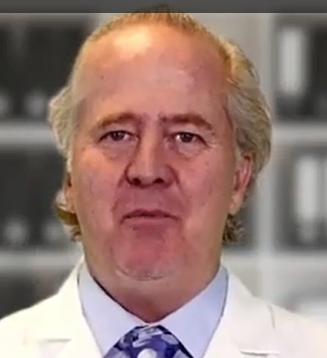
Dr. Mark Weis, M.D.
Medical Research Director · University of Kansas School of Medicine · Former U.S. Army Physician
 Get Help for Bone-On-Bone Knee Pain Without Surgery
Watch the free presentation →
Get Help for Bone-On-Bone Knee Pain Without Surgery
Watch the free presentation →
If You've Tried Everything and Still Wake Up in Pain, Read This First
If you've been living with bone-on-bone knee pain, you already know that grinding feeling isn't just physical — it takes over your whole day. It changes what you do, what you avoid, and how you feel about the future.
Maybe you recognize yourself in some of these:
- Your knees grind like sandpaper every time you stand up from a chair
- You wake up in the morning and the first thing you feel is that familiar stiffness before you even get out of bed
- You've tried glucosamine, fish oil, turmeric — and after months of waiting, nothing changed
- Stairs have become something you think about before you take them
- You've stopped kneeling, squatting, and bending — not out of laziness but because the pain isn't worth it
- Your doctor blamed "wear and tear" and suggested you start thinking about surgery
- You're afraid that if this keeps getting worse, you'll lose your independence entirely
In the free video below, Dr. Mark Weis — a Harvard-backed physician and researcher — presents the discovery that explains exactly why conventional treatments keep failing, and what a growing number of Americans over 50 are doing about it instead.
Watch Now — Natural Joint Pain Relief That Actually Works Free presentation →The Reason Your Knees Keep Getting Worse — And Why Your Doctor Hasn't Mentioned It
Most people are told the same thing: your cartilage is worn down, there's nothing to do but manage the pain, and eventually you'll need surgery. But a growing body of research — including a landmark Harvard study of over 2,000 ancient skeletons — tells a completely different story.
Harvard Study
Ancient skeletons showed dramatically less joint decay than modern adults — even though they were far more physically active. Wear and tear is not the cause.
$12M Clinical Trial
A 2-year study of 572 patients found glucosamine and chondroitin produced no measurable benefit in pain, function, or cartilage protection — vs. placebo.
Root Cause Research
The real culprit is something happening inside the joint itself — not the cartilage. And it's been declining since your 30s without you knowing.
"They spent decades removing dead branches off a dying tree and never once looked at the roots that were destroying everything from the inside. The wear and tear isn't the cause — it's just the rot left behind."
The result is a progressive spiral: each year, your joints lose more of the protective internal environment they need to function. Pain increases. Stiffness increases. And the conventional options — pain pills, injections, surgery — address none of it at the source.
See Exactly How the Ritual Works for Bone-On-Bone Knee Relief Free video →"I Had Stopped Believing Anything Would Work" — Until She Watched This Presentation
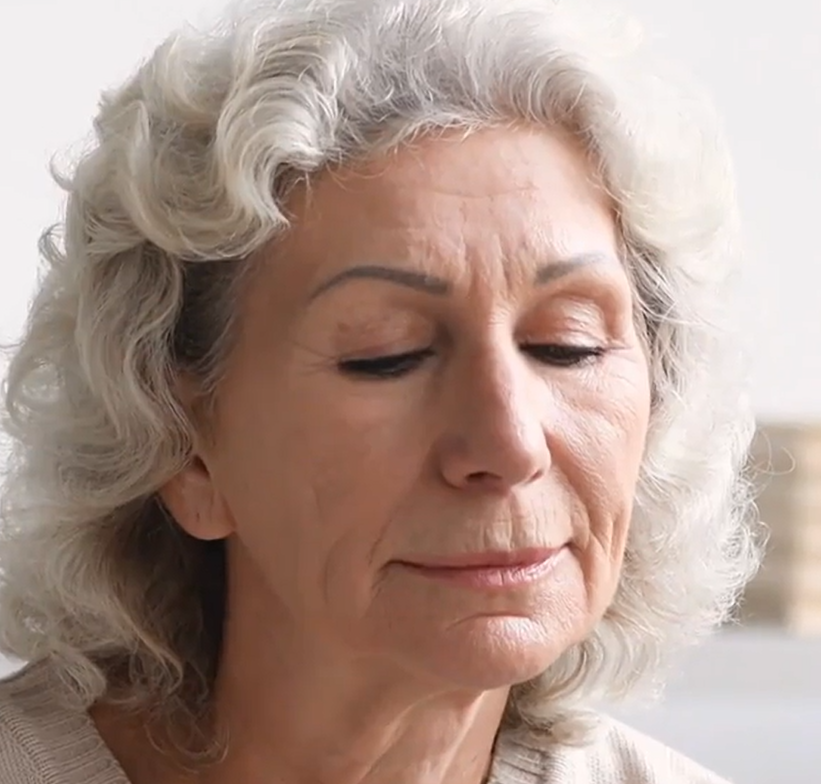
Sarah M., 67 — Scottsdale, AZ
It started slowly, in my mid-40s. I knelt down on the floor one day to change my grandson's diaper, and when I tried to stand back up, my knees just wouldn't cooperate. They felt stiff, like they needed a moment to catch up. I didn't think much of it at the time.
But over the next few years, the stiffness became something I had to work around every single day. By my early 50s, my knees would crunch and grind every time I bent down — like a sock full of broken glass, I used to say. I started avoiding the floor entirely. I stopped kneeling in the garden. I started sitting out the board games with my grandkids instead of joining them on the carpet.
Then it spread to my hips. Then my wrists and fingers. I was running a home baking business — wedding cakes, mostly — and suddenly I couldn't grip the whisk properly or hold a heavy tray without my hands flaring up. I had to slow everything down. Then I had to stop taking orders. My business, my identity, and my independence all started shrinking at the same time.
My doctor said it was wear and tear. He put me on glucosamine and chondroitin. After months of nothing, he switched me to anti-inflammatories. Those sent my blood pressure up and gave me an irregular heartbeat. I ended up in the ER. After that, I just stopped. I stopped trying. I started thinking this was just what the rest of my life was going to look like.
I was 67, hobbling around with a cane, when a friend sent me a link to Dr. Weis's presentation. I almost didn't watch it. I had been burned too many times. But something about the way he explained why glucosamine doesn't work — the actual mechanism, the research — made me feel like someone finally understood what was actually happening inside my joints.
I watched the full presentation that night. I cried twice. Not because it was sad — because for the first time in years, I felt like there was a real answer. Not a band-aid. Not a "manage your expectations." An actual explanation and an actual path forward.
That was the day everything started to change for me. If you're where I was — exhausted, skeptical, and quietly terrified about where this is heading — please just watch the video. You have nothing to lose and, if my experience is any indication, quite a lot to gain.
"20 years on prescription protocols. I can now walk up my front porch steps without pain. I haven't been able to say that in a decade."
John Carter, 64
Boulder, CO

"My hands were too stiff to hold a gardening trowel. Now I'm back in my garden every morning. I genuinely didn't think that was possible anymore."
Linda Thompson, 72
Sarasota, FL
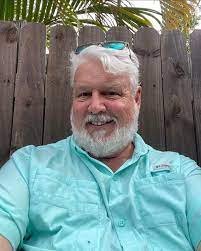
"Every step used to feel like bones grinding together. I feel in control of my joint health for the first time in years."
Michael O'Neal, 69
Portland, OR
What People Want to Know Before Watching the Video
How does this ritual help with bone-on-bone knee pain?
It targets the internal environment of the joint — something conventional treatments consistently miss. The full mechanism is explained in the free video presentation by Dr. Mark Weis.
Does this work differently from anything I've already tried?
Yes. Most supplements target cartilage. This addresses what Harvard research identifies as the real root cause — which is why it produces results when other things haven't. Watch the presentation for the full explanation.
How many people have used this for bone-on-bone knee relief?
Thousands of Americans over 50 have already used this discovery for joint pain relief. Dr. Weis shares results and the research behind them in the video.
Does bone-on-bone knee pain ever stop feeling stiff in the morning?
Morning stiffness is a direct consequence of the root cause Dr. Weis identifies. Addressing that root cause is precisely what produces lasting relief — not just symptom management. The video explains how.
How can this help joint pain relief without surgery?
Surgery addresses structural damage — but not the underlying cause of joint decay. This approach works at the source, which is why many people have been able to avoid surgery altogether. Watch the free presentation to learn more.
Every Morning You Wait, the Grinding Gets Deeper —
See What's Actually Helping Bone-On-Bone Knees Move Again
Free presentation by Dr. Mark Weis · No surgery · No prescriptions · Backed by Harvard research
Stop the Bone-On-Bone Grinding Before It Gets Worse Watch free now →